The Geopolitical Blueprint of Berlin Dancefloors
To understand Berlin nightlife, one must understand how the Berlin Wall divided the city between 1961 and 1989. The death strip created massive empty ribbons of railway marshalling yards, riverfront wharves, and discarded municipal infrastructures. Following reunification, these border tracts became the cradle of contemporary electronic music culture.
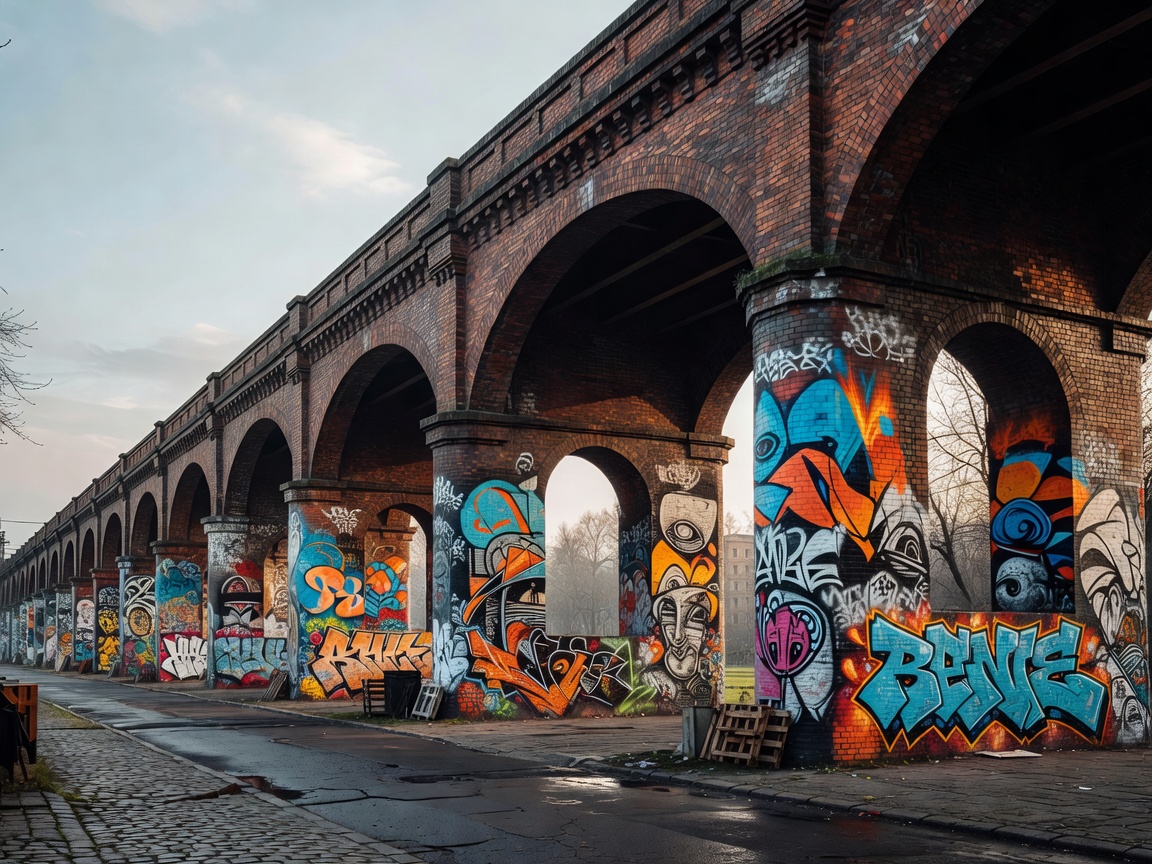
1. Friedrichshain: The Monolithic Heavyweight
Friedrichshain is the undisputed global epicenter of austere, industrial electronic music. Dominated by monumental Soviet-era architecture and defunct industrial facilities, this district hosts monumental venues such as Berghain/Panorama Bar (located within an imposing 1953 neoclassical former heating plant near Ostbahnhof).
Further east, along the RAW-Gelände (a former imperial railway repair yard on Revaler Straße), historic maintenance halls have been preserved as raw music spaces, cultural centers, and open-air spaces like Cassiopeia and Urban Spree.
2. Kreuzberg (SO36): Rebel Spirit & Canal Vaults
Across the Oberbaumbrücke lies Kreuzberg, historically West Berlin's countercultural bastion. Enclosed on three sides by the Wall until 1989, Kreuzberg developed an intense squatter, anarchist, and punk community that merged seamlessly with acid house and minimal techno.
Venues clustered along the Landwehrkanal and the Görlitzer Bahnhof perimeter—including spaces along Schlesische Straße and historic waterside docks—focus heavily on intimate, sweatbox basements, house music grooves, and community-run collectives like About Blank on the district boundary.
3. Mitte: The Historic Underground Roots
While Mitte has gentrified into a hub of international tech startups, art galleries, and embassies, it preserves crucial historical keystones of the original 1990s explosion. The most prominent example is Tresor, originally launched in 1991 inside the vaults of the Wertheim department store on Leipziger Platz, and later reborn in 2007 inside Kraftwerk Berlin—a vast former East Berlin combined-heat power station on Köpenicker Straße.
4. Treptow-Köpenick & Rummelsburg: The New Industrial Frontier
As inner-city real estate pressures intensify, club operators have migrated southeast along the Spree. Venues such as RSO Berlin (Revier Südost), situated in the former Griessmuehle industrial campus in Niederschöneweide, feature multi-level brutalist concrete warehouses and cavernous open-air gardens that evoke the unfiltered freedom of 1990s Berlin.
District Architectural & Acoustic Comparison
| District | Dominant Architecture | Typical Music Styles | Crowd Profile |
|---|---|---|---|
| Friedrichshain | Power plants, rail repair depots | Industrial techno, dark techno, high-energy house | International music purists, leather/queer scenes |
| Kreuzberg | Pre-war tenements, canal docks | Deep house, electro, acid, experimental | Political activists, local artists, indie dancers |
| Mitte | Massive concrete turbine halls | Detroit techno, drone, ambient industrial | Sound system obsessives, heritage music tourists |
| Treptow | Heavy industrial yards, metalworks | Hypnotic techno, hard groove, breakbeats | Dedicated dancers, long-shift ravers |
Pros & Cons of District Hopping
Advantages of Staying in One Hub
Reduced transit overhead via U-Bahn/S-Bahn, easy transitions between venue queues if denied entry, and immediate access to late-night Spätkauf convenience shops.
Drawbacks of District Hopping
Crossing from Mitte to outer Treptow takes 30-40 minutes at 4:00 AM; club queues at secondary locations may peak while you are in transit.