The Abolition of Curfew: Why Berlin Runs Forever
In 1949, while the rest of post-war Germany enforced a strict 1:00 AM curfew to foster reconstruction, West Berlin’s city council formally abolished the mandatory closing hour (Sperrstunde). The goal was to make the isolated enclave attractive to students, artists, and conscientious objectors exempt from West German military conscription.
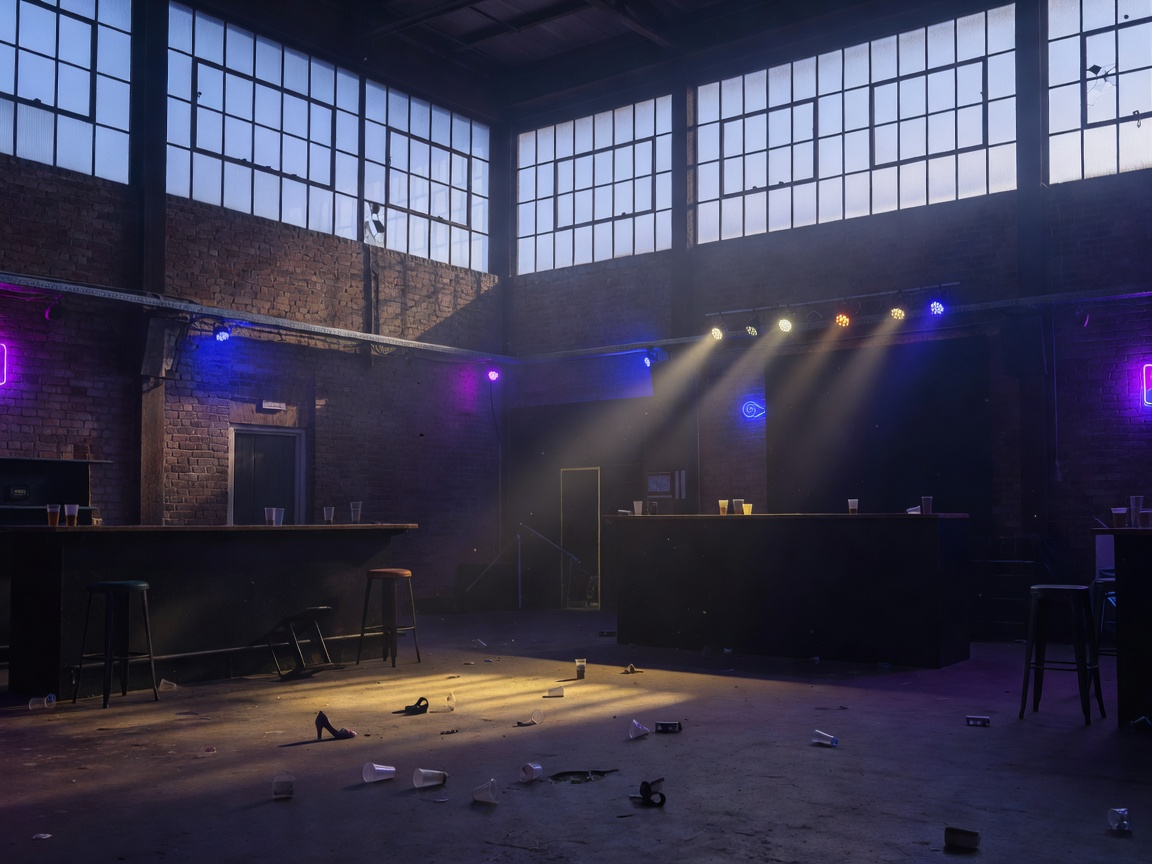
When the Wall fell in 1989, this absence of curfew was inherited by the unified city. As a consequence, clubs in Berlin do not "close at 6:00 AM." Instead, events transition smoothly from dark overnight sessions into sunlit open-air garden parties, creating the famed 48-to-72-hour weekend marathon.
The Golden Secret: Sunday is the True Peak
First-time visitors routinely make the mistake of attempting their primary club outing on Friday or Saturday midnight. In Berlin counterculture, Saturday night is often considered the most commercial and queue-heavy window.
The definitive Berlin dance experience happens on Sunday daytime and Sunday evening. During the iconic "Klubnacht" at flagship venues, local dancers who rested on Saturday arrive refreshed on Sunday morning (around 8:00 AM to 11:00 AM) or mid-afternoon. The energy on Sunday floors is palpably warmer, more focused on the music, and far less erratic than midnight sessions.
The Typical Berlin Weekend Cycle
| Time Window | Atmospheric State | Typical Queue Length | Strategic Recommendation |
|---|---|---|---|
| Friday 23:00 – 03:00 | Opening warm-up, steady momentum | Moderate (30–60 mins) | Good for smaller underground collective nights. |
| Saturday 01:00 – 05:00 | Peak international tourist rush | Very high (1–3+ hours) | Expect high door rejection rates and compressed queues. |
| Sunday 08:00 – 12:00 | Morning transition, fresh incoming crowd | Low to Moderate (15–45 mins) | Prime entry slot: sleep early Saturday, enter Sunday morning. |
| Sunday 16:00 – Late | Cultural climax, resident DJ peak sets | Moderate to high | The core of Berlin clubbing: intense, joyful, and immersive. |
| Monday Morning | The final endurance dancers, closing sets | Minimal / Closing | For seasoned dancers witnessing marathon closings. |
How to Pace a Berlin Marathon Safely
Experienced clubgoers do not dance for 40 continuous hours without interruption. The secret to enjoying extended weekend sessions lies in the "re-entry" (Wiedereinlass) system.
Once admitted, you can have your wrist stamped or receive a wristband. After spending 4 to 6 hours on the floor, many dancers return home or to their hotel, sleep for 6 hours, take a warm shower, eat a nutritious meal, and return on Sunday afternoon through the expedited re-entry queue.
Split-Shift Strategy (Sleep & Re-entry)
Preserves physical well-being, protects ears from prolonged exposure, and lets you experience both nighttime and daylight room ambiances.
Continuous Single-Session Attempt
Leads to extreme exhaustion, sensory overload, dehydration, and significantly diminished musical enjoyment by hour twelve.